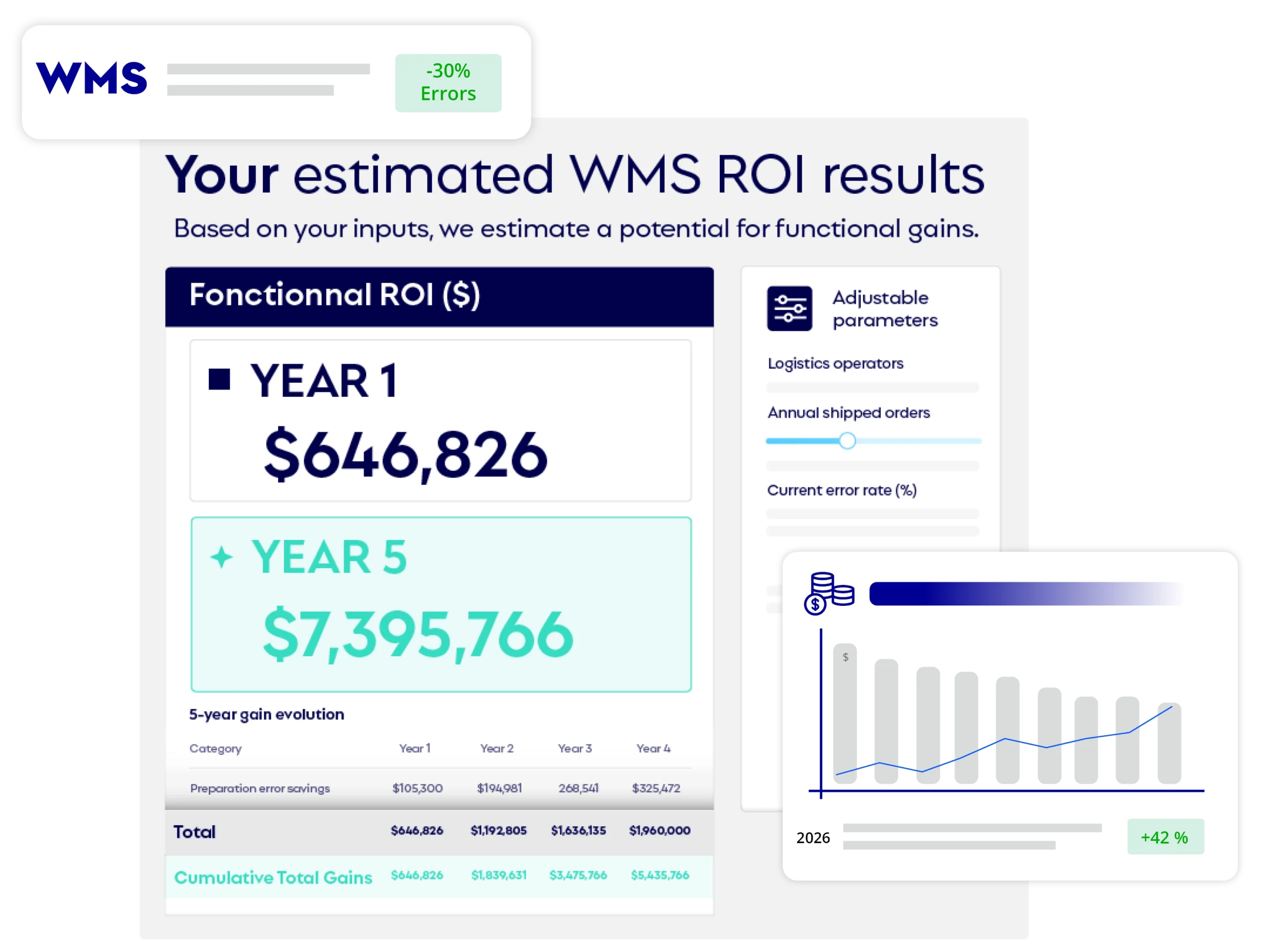
From projected ROI to proven impact.

Retailer. Jewellery, affordable luxury
Scaling global growth with a flexible WMS
“We expected the usual teething issues that come with any new system, but instead we saw fewer incidents and strong performance from the start.”
—Dawn Swackhamer, Global Operations, Supply Chain & Planning Leader, Pandora
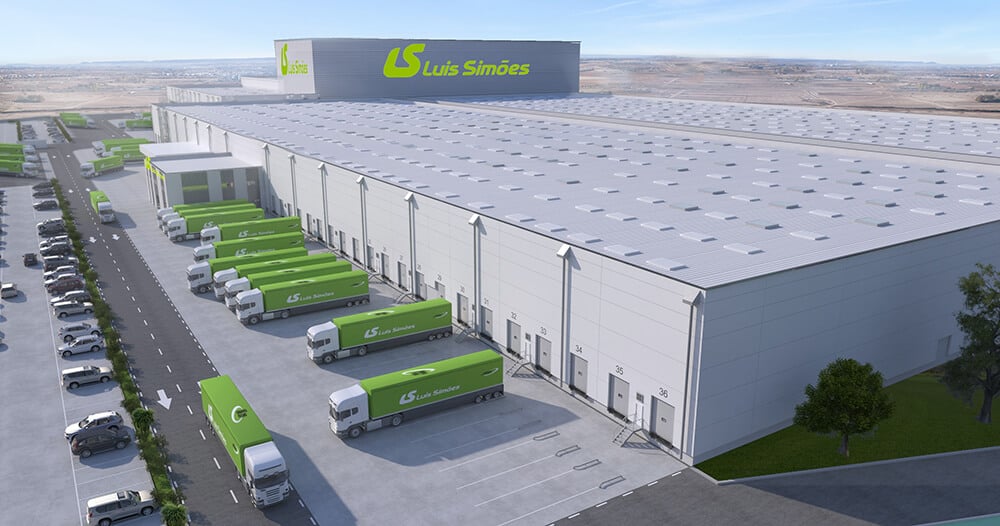
Third-party logistics
Scaling multi-client logistics leadership
“We are a multi-client company. We wanted a solution that could grow with us and reduce the effort required to maintain and evolve the system. Our teams are very autonomous. Even in our largest site, we required only limited initial support. After that, we managed the rollout internally.Coordinators are no longer working inside the system. They are managing the system.”
—Antonio Fernandes, Director of Innovation and Projects, Luis Simoes
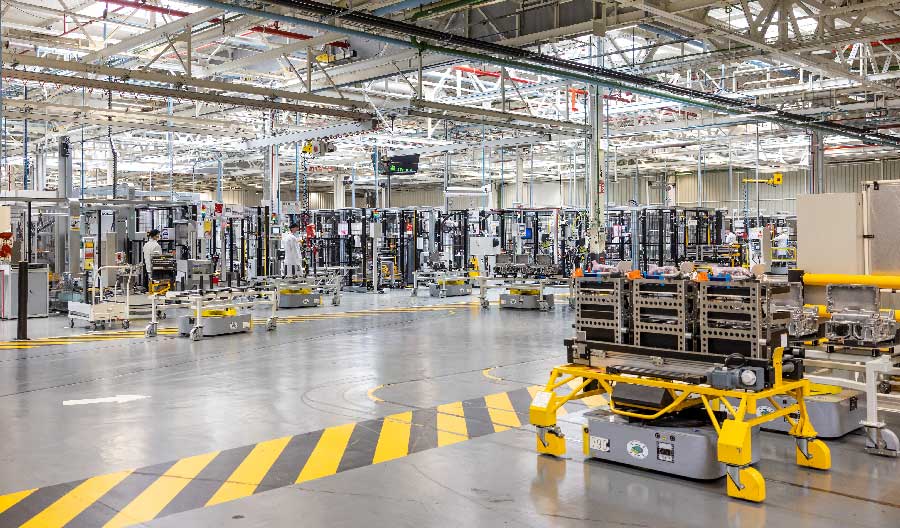
Manufacturing
Build a long-term partnership that grows with your operations
“Since 2018, we’ve built a fully fledged partnership with Hardis Supply Chain based on co-innovation and the inclusion, in Hardis WMS, of new features tailored to our specific priorities, such as graphic visualization of our production warehouses, sustainable management of despatch packaging, and more granular traceability so we can limit recall volumes should a problem arise.”
—Ludovic Doudard, General Manager Process Engineering Supply Chain, Renault Group
Ready to extend beyond traditionnal WMS?
You've got an estimate. Here's how to act on it: real results from warehouses like yours, and a method to build the business case.
Frequently Asked Questions
WMS ROI is the value of the gains a new system produces over a set period, minus what it costs to license and implement. Gains fall into three buckets: functional (fewer errors, higher productivity, better use of space, transport effects), IT/technical (lower total cost of ownership, less technical debt, less downtime), and business (service level and revenue). This calculator estimates the functional bucket over five years from your own volumes; you then subtract your vendor’s quote to get net ROI.
Not long. You’ll need annual shipped and received volumes, warehouse area, your growth rate and your current error rate. No error rate to hand? The tool suggests 3% as a working default, and you can refine every assumption on the results screen.
Included: preparation and reception error savings, productivity gains, space optimization and transport effects, across five years in three scenarios. Not included: your license and implementation costs, and the IT and business dimensions, which aren’t live yet. The figure is gross functional gain, not net ROI.
Because your current processes were shaped by your current WMS. Measure a new system only against how you work today and you miss most of its value — you’re grading it on the old system’s constraints. The bigger gains come from what changes: real-time control, faster rollouts, less downtime, automation integration.
The results provided by this calculator are for informational purposes only and have no contractual value. They are based on data entered by the user, the accuracy of which Hardis Supply Chain cannot verify, as well as on average assumptions from previous WMS projects, without any guarantee of reproducibility. The results displayed do not constitute a commitment, warranty, or guarantee of any kind. As each WMS project depends on the client’s organization, processes, and business context, a customized business case is required. The Hardis Supply Chain teams are available to support you in this process.